

The process of the elections
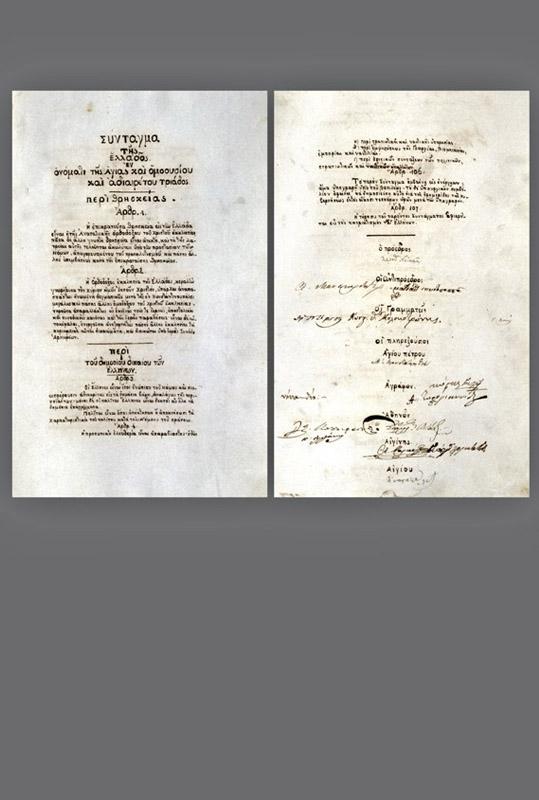
The first Greek Constitution of 1844
The electors could give positive votes to as many candidates as they wanted, by completing ballot-papers even of different combinations. The Constitution of 1844 establishes the right of direct and universal male suffrage with only a few restrictions, a regulation which was a global innovation. All men over 25 years of age who had property at the constituency where they had a house or a job had the right to vote. The right of universal suffrage set new terms for civil and political actions, since a broad field for the participation of citizens and political parties in public life has opened and claim of interests has been facilitated.